SASKATOON — The Canadian Nuclear Association’s first-ever CNA West Conference, underway in Saskatoon, is proving to be a learning experience for delegates.
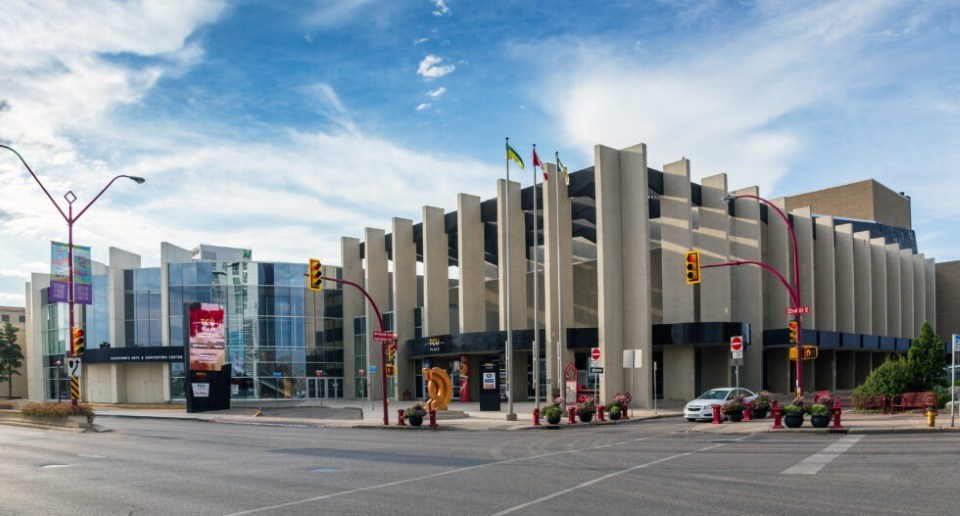
A sold-out crowd of more than 500 people is attending the convention at TCU Place from Oct. 20. More than 30 speakers are on the agenda through sessions and panels, while a trade show features over 25 exhibitors. Networking opportunities are also taking place during the three-day event.
After an opening-night social on Oct. 20, activities began Oct. 21 with a keynote address by Premier Scott Moe. Small modular reactors (SMRs), Indigenous partnerships for nuclear development, regulatory regimes, supply chain opportunities and the workforce are among the topics also being covered on the second day.
The conference will conclude with additional speakers and panel discussions on Oct. 22.
CNA president and CEO George Christidis said the uranium industry has a long history in Saskatoon and throughout the province, making the city an ideal setting for the event.
“A lot of interest in our sector and a lot of interest in learning about Saskatchewan,” he said. “We have folks here from Ontario and from Alberta and from beyond, as well as a lot of folks from Saskatchewan, so it’s just a wonderful conference, there’s a great buzz and it couldn’t have gone better.”
A wait list had to be created with more than 200 names, he added.
Saskatoon was chosen because of Saskatchewan’s role in the global nuclear energy space with uranium mining, along with the long history of research and innovation in the province. Christidis also praised the provincial government’s leadership.
“Saskatchewan truly is leading the way in terms of the next phases of the nuclear industry in Canada and beyond, and Saskatoon itself … is a great city, a place of innovation, universities, the hometown of Cameco. Orano's here, and the long history of emerging science and First Nations knowledge.”
He hopes people understand the opportunities associated with the Canadian nuclear industry, which he said is in a unique and positive position—not only for Saskatchewan to meet its environmental, economic, energy security, employment and innovation goals, but also to support similar needs across Canada. Other countries are exploring nuclear power, and Canada’s contributions are being recognized internationally.
“They’re looking at Canada as a bit of a leader, and a lot of that is really based on the strength and leadership of Saskatchewan, the uranium industry in Saskatchewan and the projects that are being considered by the Government of Saskatchewan and being driven through SaskPower, for example, the GE Hitachi-SMR project,” said Christidis.
The trade show impressed Christidis with Saskatchewan’s manufacturing and innovation capabilities, which he said are highly applicable to the nuclear sector. He added the province has the post-secondary education system, the labour and the skills to help develop and service nuclear generation.
Christidis described Moe’s speech as a robust and positive message about the role of nuclear power in Saskatchewan’s future.
Delegates asked questions about nuclear waste, the regulatory environment—which Christidis said is a crucial part of the industry—and potential job creation, innovation and other benefits.
“We’re also getting questions in terms of Indigenous partnerships and opportunities, and how our sector can be part of the opportunities for Indigenous communities as well,” he said.
It’s too soon to know if the convention will become an annual event, but Christidis said the CNA has been “so overwhelmed with the positive response” that it will review the results to evaluate organization and logistics.
“We’re definitely open to consider all options in terms of whether we do it again in Saskatchewan or whether we do another western conference as well,” he said.
He also expects the convention will bring an economic boost, with visitors using hotels and restaurants. The conference organizers try to source local vendors whenever possible.
The conference coincided with a number of provincial government announcements related to nuclear power. On Oct. 20, the government released the Saskatchewan First Energy and Security Strategy and Support Plan, stating that nuclear is the future.
It also proclaimed Oct. 20-24 as Nuclear Science Week in Saskatchewan and, through SaskPower, announced a $6.3-million investment over six years to establish four new nuclear research chairs at provincial post-secondary institutions.
The chairs, whose work will support nuclear science and nuclear energy deployment in Saskatchewan, are made possible through partnerships with the University Network of Excellence in Nuclear Engineering and the Sylvia Fedoruk Canadian Centre for Nuclear Innovation.