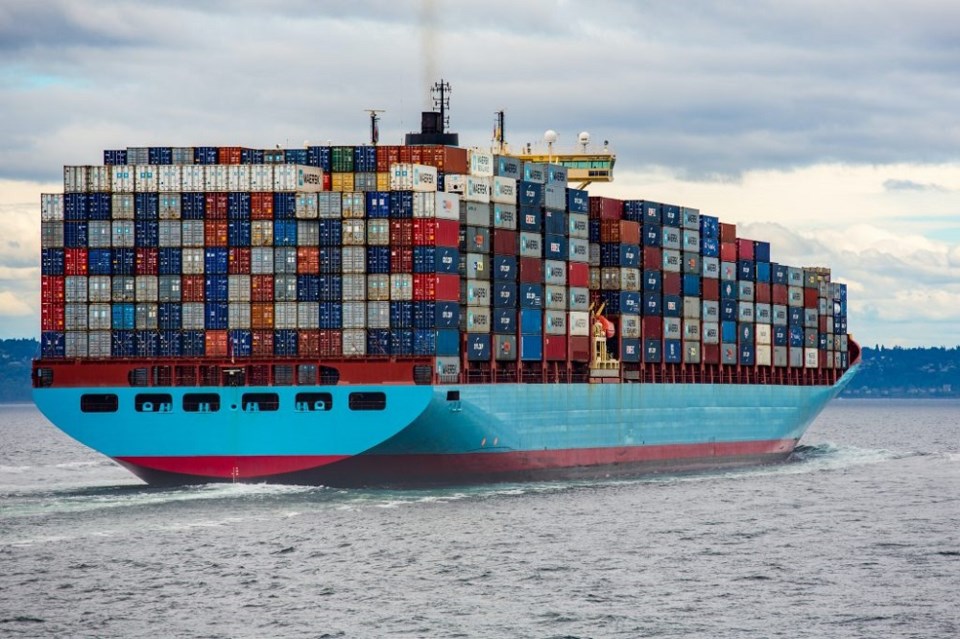
There's word a shipment of Canadian beef will be exported to China as early as next week.
Provincial Agriculture Minister David Marit mentioned JBS as the company exporting beef to China in a speech and when speaking to reporters Wednesday at the Saskatchewan Beef Industry Conference in Saskatoon.
"For JBS to send out a shipment within a week or two weeks of the (Canada-China trade) agreement really speaks well that China wants our product." Marit said.
SaskAgToday reached out to JBS to confirm the claim.
Marit says prices for beef cattle could go up similar to peas after China removed the 100 per cent tariff on peas.
"Once they announced the yellow peas were going back into China, the price pretty well went up immediately between 50 cents and dollar a bushel," he said. "Before there was not even a call for yellow peas because China wasn't buying it. As soon as that tariff came off, there was a call to buy peas so that's how immediate it can happen. Now you'll probably see the same thing in the beef price as well."
Specifics of the shipment are not known at this time, but for Chad Ross, the Chair of the Saskatchewan Cattle Association, having market access restored is a great thing for the cattle industry.
"This is great news," Ross said.
China is allowing Canadian beef into the country for the first time since 2021. China banned it after an atypical case of BSE – otherwise known as mad cow disease – was found in a cow in Alberta.
Ross said $200 million worth of beef was exported to China the last year Canada had access to that market before the ban,
"Commonly they would use the lower end cuts that we don't like to eat here in Saskatchewan and Canada, so that's really good for us, but they also have an appetite for the high marbling, tasty cuts as well so it's a little bit of both." he added.
Whether access to the Chinese market again will result in lower consumer prices will depend on the laws of supply-and-demand, Ross said.
"We're in a simple supply-and-demand situation at this time because of almost hardships in our cow-calf industry throughout the past 20 years. We've lost a lot of our producers so supply is down and combine that with high demand, and thanks for our consumers for that, price has gone up. So, as we go into the cycle of increasing our supply of our cows, that supply will get better and that should help with that price."
When it comes to rebuilding the Canadian herd, Ross believes it will happen as producers earn more on the high prices and start to re-invest into their operations.