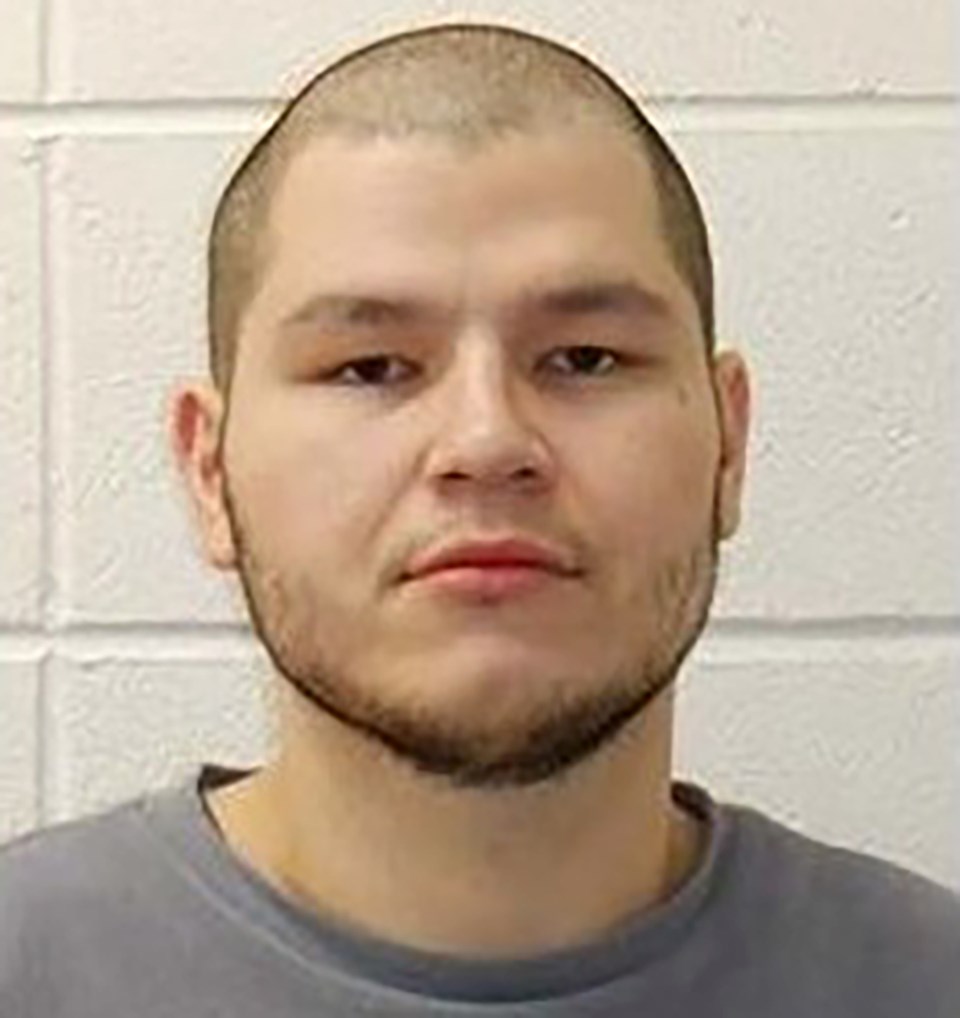
LLOYDMINSTER, Sask. — A man convicted in a 2020 violent crime spree that included a shooting, armed carjackings, and high-speed police pursuits, has been granted statutory release for a second time.
After his parole was revoked in December 2025, Lucas Aaron Oakes was returned to prison, where he became involved in two violent incidents. In January, he was one of five inmates who assaulted another inmate. In April, he was listed as an instigator in another incident where an inmate was murdered. He was seen assaulting a fellow inmate—not the victim—with a sock containing a heavy object.
Oakes, from Makwa Sahgaiechan First Nation, has strict conditions imposed by the Parole Board of Canada, such as requiring him to live at a half-way house and not to associate with gang members or anyone believed to be involved in criminal activity.
Oakes, now 30, was sentenced in April 2022 after pleading guilty to nine charges stemming from a violent crime spree on July 29, 2020. The spree started with a shooting on Onion Lake Cree Nation that seriously injured a man, followed by armed carjackings in Lloydminster and high-speed police pursuits that were called off due to public safety concerns.
With enhanced credit for time served pre-trial, Oakes had five years remaining on his sentence. He was released on statutory release in August 2025 but failed to return to his halfway house by curfew nine days later and remained unlawfully at large for about two weeks. He was arrested and his parole revoked.
Oakes has a lengthy criminal history, including convictions for weapons offences, dangerous driving, assault with a weapon, aggravated assault, and resisting arrest. According to parole documents, Oakes “brutally” attacked two males with a machete.
Oakes was a street gang member, but parole documents say he has since left.
His other release conditions include not consuming alcohol or non-prescribed drugs, no contact with victims or their families, and he must follow a treatment plan to address substance abuse, unresolved trauma, and for emotions management. In addition, he is required to seek employment or pursue education.
Parole documents reveal Oakes grew up in an environment of poverty, neglect, and substance abuse. His family members were residential school survivors.