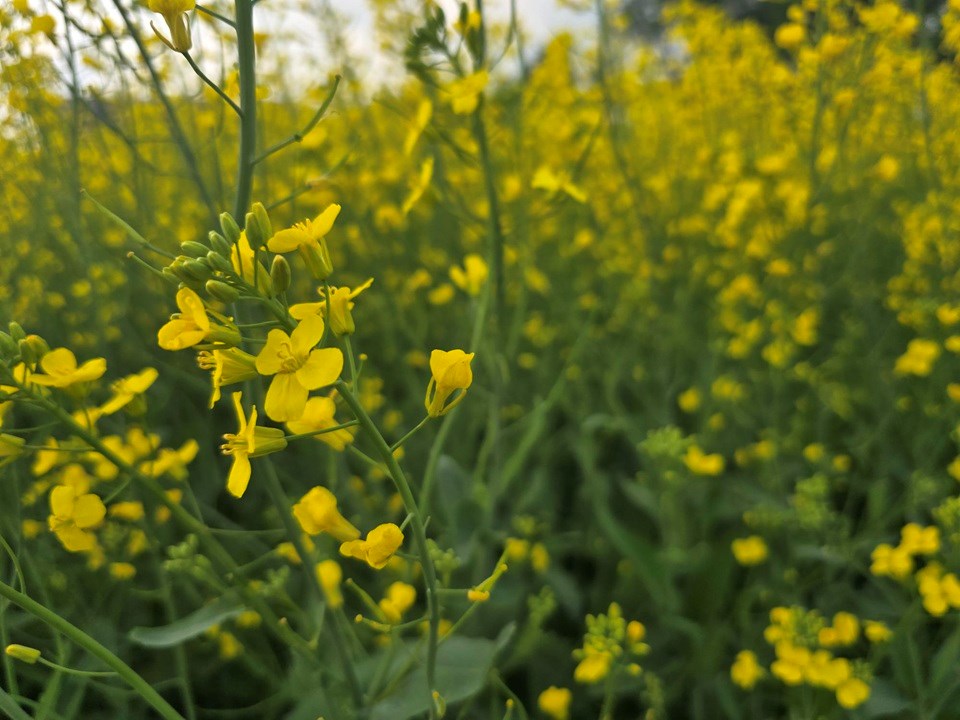
The 2026 canola crop has plenty of moisture and in some eastern areas a bit too much.
Ian Epp is one of two agronomists with Sask Oilseeds. He estimates many canola crops are about 7 to 10 days behind normal due to a later start and a cool and damp start to the growing season.
The biggest challenge to date has been finding good spraying days.
"With good moisture and good growing conditions, which is great for the crop, it's also great for weed, so there's been a lot of weed control happening and a lot of trying to make it happen when it can happen," Epp said.
"I think there's been enough windows that for most growers, as long as you're on the ball, it's been happening and it's not the worst, but yeah, there hasn't been a whole lot of relaxing or any good spray days. You have to make hay with the sprayer; you have to be going."
As for insects, Epp says flea beetle damage has not been too serious because "the canola kind of came through that flea beetle window a little quicker than usual and really good plant stands with good moisture."
"There definitely were some flea beetles, but I would say less than usual just because of the excellent growing conditions." he added.
Epp is concerned about another insect that is starting to appear in a number of southern and central regions.
The cabbage seed pod weevil has been moving further north and east, after being more common in the southwest.
" We already do have a number of reports coming in of high levels of cabbage seed pod weevil, mostly in south central Saskatchewan or south Saskatchewan so far, but again, as more people start looking and as the crop in the northern province starts to get closer into that almost flowering stage, it looks like we might be in for a bigger cabbage seed pod weevil year."
Epp advises scouting for the cabbage seedpod weevil now, but holding off on any spraying until later.
" We're looking for a threshold of 25 to 40 per 10 sweeps. So for growers that are doing their sweep nets, that's what you're looking for. You'll see some then; the canola can kind of compensate at the bud stage. So the recommendation for growers is to identify if you have them and if you're getting close to the threshold, but hold off on spraying because canola can kind of compensate then, and if you do spray too early, these are highly mobile critters, more may move in and you might have to spray again. So the best economic data we have from (Agriculture and Agri-Food Canada) and all the research that's been done is to identify them at this stage, but hold off. If you're still at threshold at 10 to 20% flower, that's when you would make an insecticide application.
The big damage comes from when they lay their eggs inside of pods. So in order for that to happen, you need these really small pods to be forming."
(With files from Neil Billinger, CJWW)