


REGINA — The Saskatchewan Ministry of Health has issued an overdose alert Monday evening after a reported 46 overdoses in the city of Regina from Feb. 2 to 9.
The ministry is citing numbers reported by Regina Police Service, who also report four suspected overdose deaths during this time including three on Feb. 8.
“These fatalities indicate a higher risk of overdose and death from drugs in the Regina area, which may contain opioids or other unknown substances,” the ministry stated.
They add that no information on the substance or substances causing the overdose or deaths is available, and that naloxone will counter the effects of opioids, but not other substances like benzodiazepines. The alert expires on Feb. 16.
The opposition New Democrats have pounced on the news, accusing the Sask Party government in a news release of continuing to “sit on its hands.”
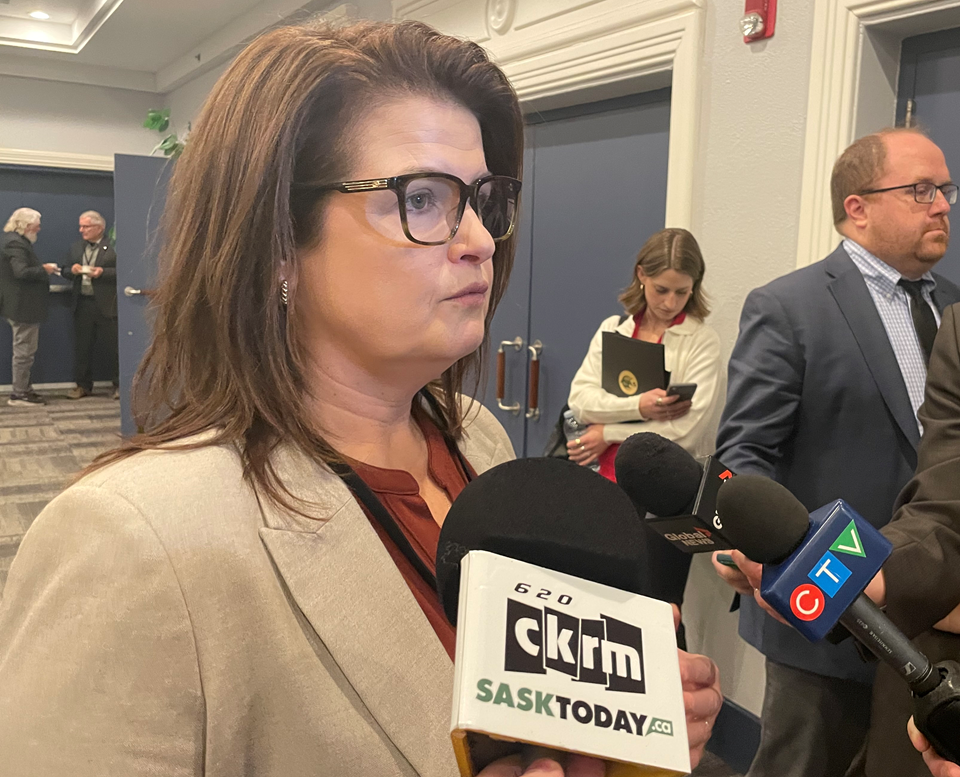
“These numbers are shocking — what else does this government need to finally take this issue seriously?” said Saskatchewan NDP Leader Carla Beck in a statement.
“How many more people must die before an emergency is declared and a real plan is put forward to address this crisis?”
In their news release, the NDP called on Premier Scott Moe and the Sask. Party government to declare a public health emergency.
“People are waiting too long to get into treatment,” said Betty Nippi-Albright, NDP critic for Mental Health and Addictions in a statement.
“We need real investment in frontline supports to help people suffering from substances use harms and resources to lock up drug dealers who are pouring these poisons into our communities. Too many young people are dying, too many parents and communities are grieving, and everyone on the frontlines keeps telling me that things are getting worse.”
The NDP statement came on the same day that the province announced an investment of $863,000 towards 16 new second-stage sober living treatment spaces in Regina. The province said in a statement that this is “part of our commitment to doubling addiction treatment capacity across the province. ”
They state that those who access these spaces “will be provided with wraparound supports that can include counselling and connection to their community and culture. Provincially, we are now at 297 additional treatment spaces toward our goal of 500 spaces by 2028.”
The province also pointed to a long list of their priorities to address mental health and addictions issues, including increasing access to addiction treatment through a central intake system; and transitioning to a recovery oriented system of care “that recognizes every path to recovery is unique.” They also pointed to their support for various initiatives such as the Sask Drug Alert program, Overdose Outreach Teams in Regina and Saskatoon to support people who have recently experienced a drug overdose, and free naloxone training and Take Home Naloxone kitsavailable to all Saskatchewan residents.
The government statement also pointed to the Safe Public Spaces (Street Weapons) Act, which came into force on August 1, 2025, which “empowers police to take action against individuals who use street weapons to intimidate or harm others in public spaces and enables officers to remove dangerous drugs like fentanyl and methamphetamine from our communities.
“Unlike the NDP, whose only plan is to legalize illicit drugs, our government believes no illicit drugs are safe and there is no safe use of illicit drugs,’ they stated.