


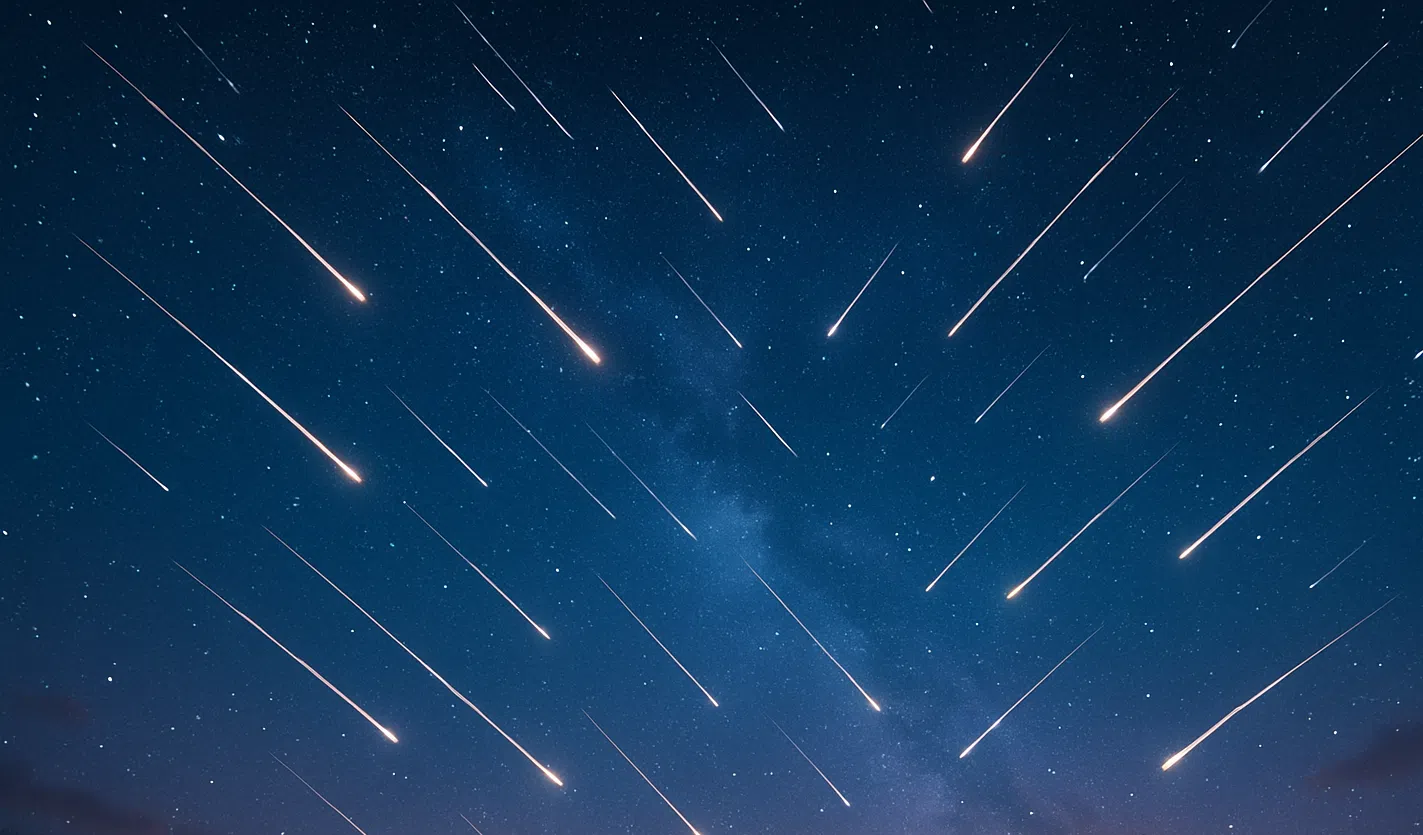
From bright planets to two visible meteor showers, the October night sky will certainly be worthwhile for backyard and amateur astronomers.
All the fun starts this weekend with the Orionid Meteor shower which will peak on October 21st. Leading up to its peak, skywatchers will only see about two meteors per hour, however by October 21st upwards of 20 meteors per hour will be seen streaking across the sky, according to experts. The meteors start near the Orion constellation and best viewed in the overnight hours leading up to sunrise.
The Draconid meteor shower will start near the Draco constellation in the northern sky from October 6th to 10th. Leading up to the peak night of October 8th, backyard astronomers will only see about two meteors per hour, however on its peak night, five of them per hour can be seen zipping across the sky as they burn up in Earth’s atmosphere.
Experts say some of the planets will be putting on a good show this month as well, especially Mars, Jupiter, and Saturn. Mars will be most visible in the overnight hours near the little dipper constellation (also called Ursa Minor) and Jupiter won’t be far away, either. According to star charts, Jupiter will be a bit lower from Mars and closer to the predawn horizon. Saturn is really putting on a show this month because it will be in opposition of Earth, which means the sun, the Earth, and Saturn will be perfectly aligned. Saturn will be at its brighest in the eastern sky starting after sunset.
Grab your binoculars, your telescope, some warm clothes and warm beverages, and enjoy the show in the October night sky.





Comments